
EC Projects

Eugene Chen, software engineer

I build systems that have to be exactly right.

Computer Engineering at Penn (B.S. May 2029). Founder of Jinke Energy.

Best fit for

  • Trading & quant infrastructureMatching engine, leak-proof backtester
  • Backend & systems softwareC++20, Python, FastAPI, ClickHouse
  • Hardware-adjacent softwareA device in production, factory tooling
  • Developer tools & applied AILLM pipelines that flag their own doubt
Eugene Chen sitting on a rock ledge above a lake, with autumn forest behind him

At a glance

Experience, education and skills.

Experience

  1. Aug 2026Hedge fund summer analyst, Shanghai Boom Fund ManagementBuilt a price-time-priority matching engine in C++20. Replaying 2.35M order events over 20 trading days reproduced all 1.27M exchange fills.
  2. Jul – Aug 2026Hedge fund summer analyst, U-Shine Fund ManagementEvent-driven backtester for an ETF vs index-futures basis strategy (4 CFFEX index futures, 50 ETFs), checked for lookahead with future-data perturbation tests. 1.4 backtested Sharpe on a held-out contract, net of costs and slippage.
  3. Jun – Jul 2026Summer intern, Shandong Gold FuturesDue-diligence interviews with 5 hedge-fund managers, with a risk, execution-cost and capacity assessment of each.
  4. May 2026 – presentEngineering intern (part-time), Gienkee Plastics MachineryShipped the tool that turns heating-ring specs into build packages, now in production. Cycle time 20% faster on average across all variations.
  5. Feb 2026 – presentIndustrials team member, Wharton Investment & Trading GroupPitched a buy on Bentley Systems and co-pitched a short on lululemon.
  6. Oct 2025 – presentMechanical team member, Penn Electric RacingDesigned the drag reduction system linkage and sized its actuator with a custom torque solver.
  7. Oct 2025 – presentMember, VP of Incubator since Sep 2026, Wharton Undergraduate Entrepreneurship ClubLed workshops for 12+ founding teams. Co-organized a Demo Day where teams pitched 6 investors.
  8. Sep 2023 – presentFounder and CEO, Jinke Energy Co., Ltd.Air-conditioner retrofit, about 10% more efficient in lab testing. About 1,000 units a year, 6 patents, about US$280K raised.
Education
University of Pennsylvania, B.S.E. Computer Engineering, expected May 2029. GPA 3.7/4.0.
Coursework: Probability, Discrete Mathematics, Programming Languages & Techniques.
Awards
74th Regeneron ISEF (2023), 1st Place Grand Award, Energy: Sustainable Materials and Design.
International Mathematical Modeling Challenge 2023, Global Finalist.
Skills
Languages: Python, C++20, C, SQL, Java, OCaml, TypeScript.
Tools: Git, ClickHouse, FastAPI, React, Chrome extensions. English and Mandarin (native).

Trading infrastructure

Where a wrong answer looks right.

The dangerous bugs here do not crash. They return a clean number. So the work is making them impossible to write.

ETFArbitrage

A research backtest of an ETF and index-future basis arbitrage across SSE 50, CSI 300, CSI 500 and CSI 1000 futures. The signal looks forward (dividends until expiry), so a lookahead leak would look like profit.

The history view takes a lookback and no end date. Orders on session t can only match against frame t+1, which does not exist in the process yet. A future-perturbation test proves it: two datasets identical up to day T must give byte-identical decisions up to T. A deliberately cheating strategy stays in the suite as a positive control, so the leak detector is itself tested.

Reports refuse to render if the run no longer reproduces from its manifest digest. This system does not trade, and has no broker adapter.

About 11,300 lines of Python, backed by 457 test functions.

Personal code. It uses no proprietary data and no strategy parameters from any employer.

Read the project
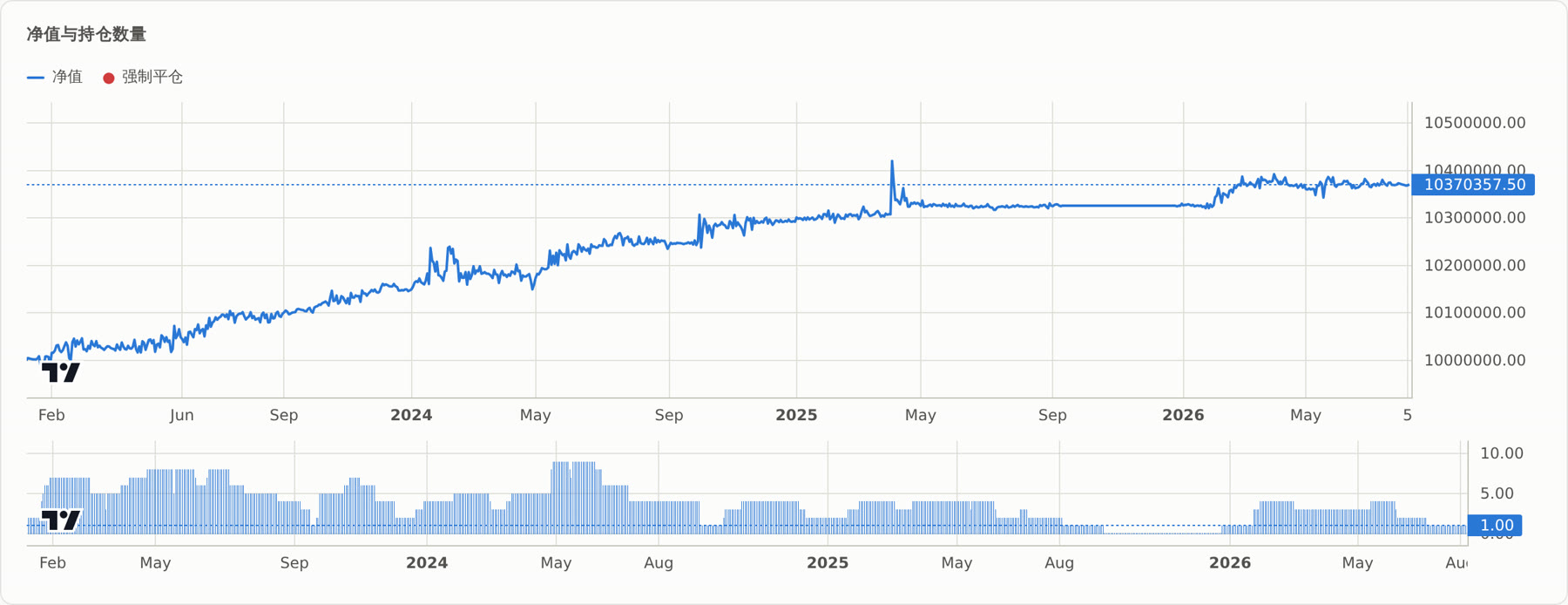
ETFArbitrage backtest equity curve with position counts
EquityNet value and position count from the engine report. A sample run, not a performance claim. Chart labels are in Chinese: 净值 net value, 强制平仓 forced close-out.
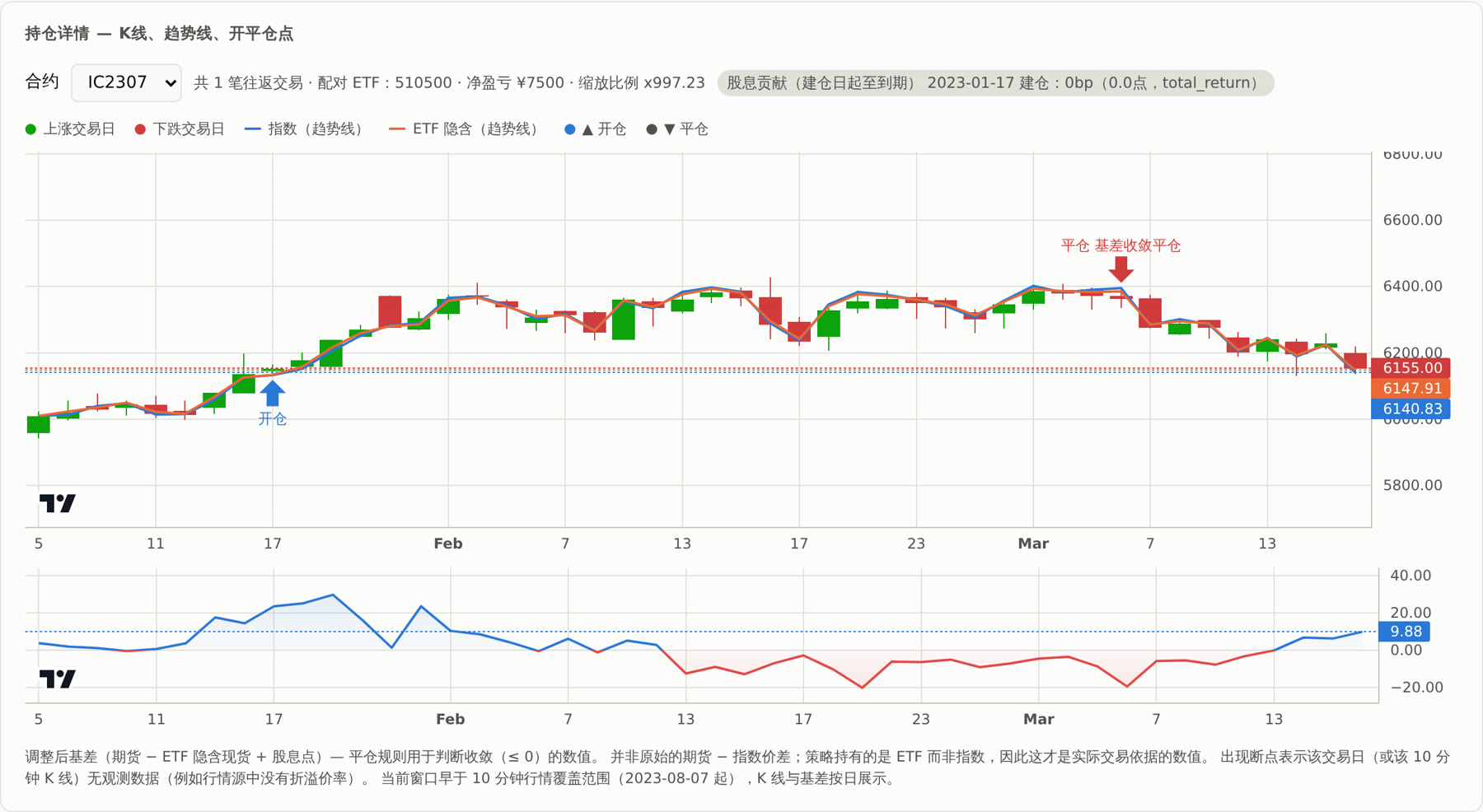
Contract candlestick chart with entry and exit markers
TradeOne contract, with entry and exit marked on the price path. Labels: 开仓 open, 平仓 close (here, basis converged), 指数 index, ETF 隐含 ETF-implied.

OrderBook

A price-time-priority limit order book. It replays a ClickHouse-backed trade tape and streams every fill as JSON, with a live browser depth ladder. Built from a summer researching high-frequency backtesting infrastructure for A-share statistical arbitrage.

Personal code. It uses no proprietary data and no strategy parameters from any employer.

View on GitHub
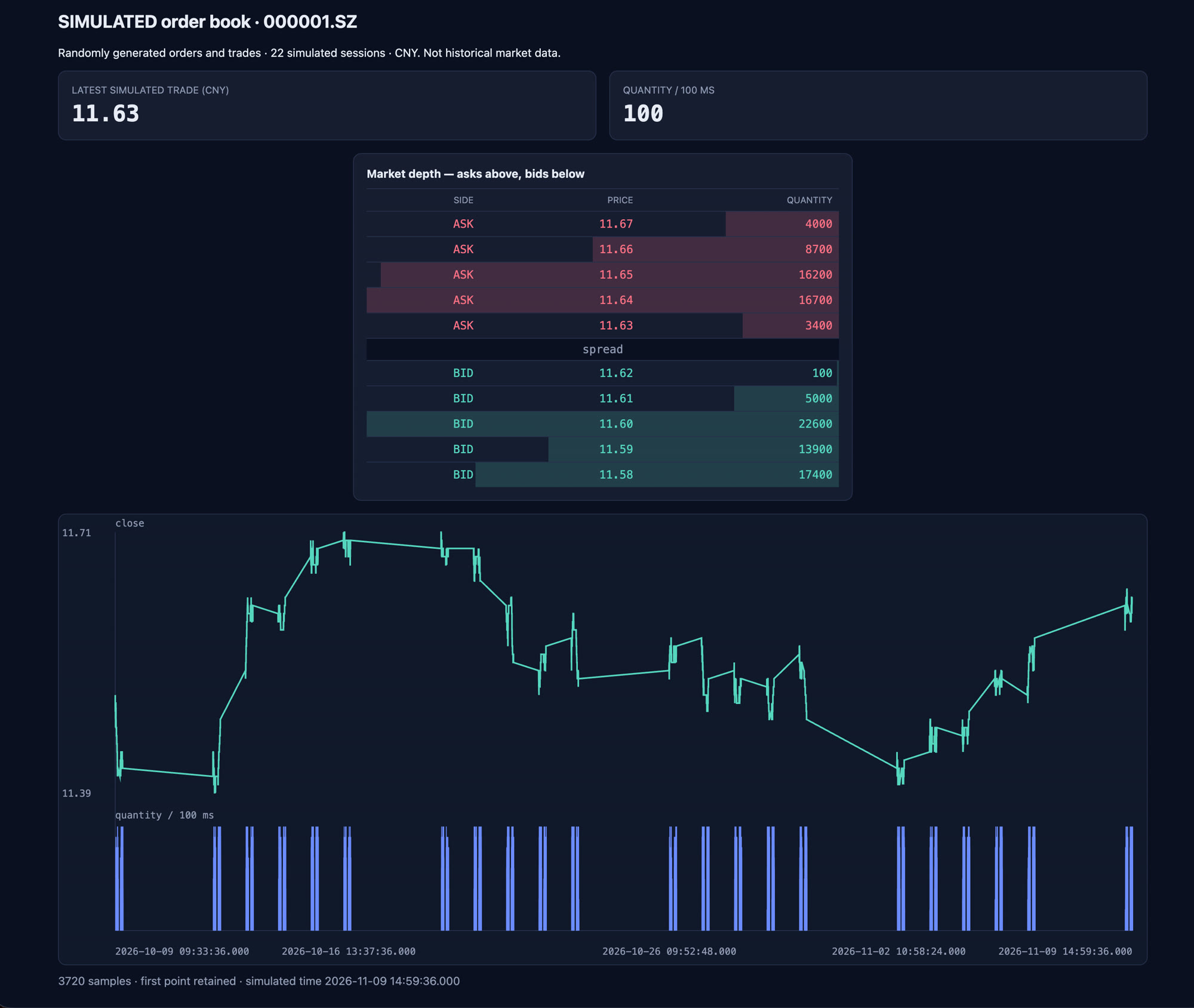
OrderBook live view: a depth ladder of five asks and five bids above a price chart and a volume histogram, labelled as simulated data
Live viewDepth ladder and tape. Simulated orders, not market data.
Replay
2.35M order events over 20 trading days reproduce all 1.27M exchange fills
Replay speed
373,126 events/s on real order flow, end to end (ClickHouse retrieval, parsing, matching, trade caching)
Engine only
About 1.1 to 1.2M orders/s on one core, p50 255 ns, on a synthetic order flow
Tests
87 assertions across the order book core and ClickHouse client tests
Stack
C++20, CMake, ClickHouse over HTTP
Sessions
One matching engine per trading date, so orders from different dates can never match
Cancels
Marked, not removed. Matching and the ladder skip them, stale entries are dropped lazily
Live view
Browser depth ladder, five levels each side, polled every 100 ms

Hardware

It started on a workbench, and ended up on a production line.

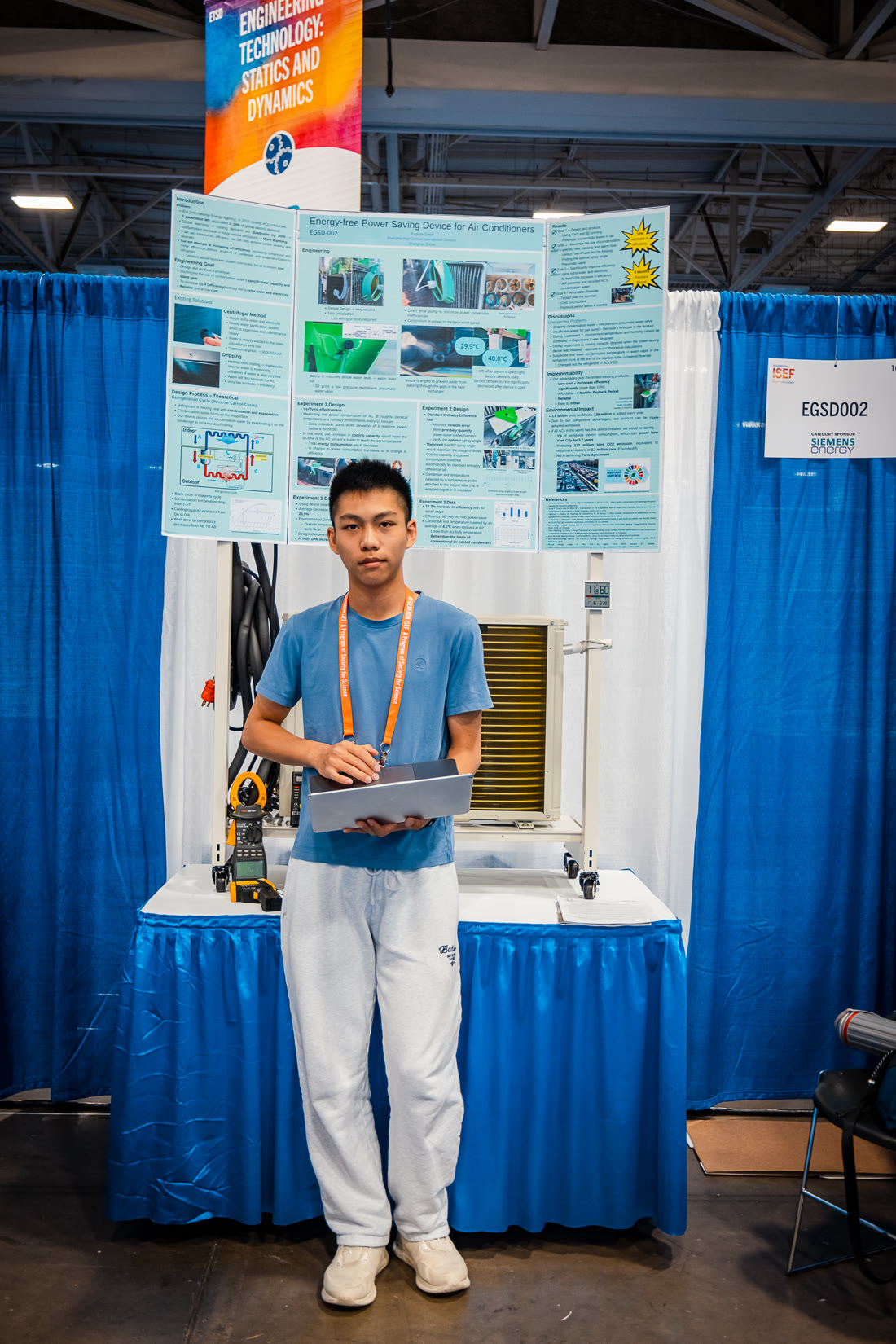
Eugene Chen at the ISEF science fair in front of his project poster and an air conditioner unit
ISEFEnergy-free power saving device for air conditioners.

A running air conditioner throws away water it has already cooled. I built a retrofit that atomizes that condensate onto the outdoor condenser, so its evaporation cools the refrigerant and the compressor works less.

It mounts on an existing outdoor unit and nothing in the refrigeration cycle is redesigned. In a standard enthalpy-difference lab test its coefficient of performance went from 3.01 to 3.32, and it is now in its third revision, built on an assembly line in Suzhou and sold at about 1,000 units a year.

Read the project
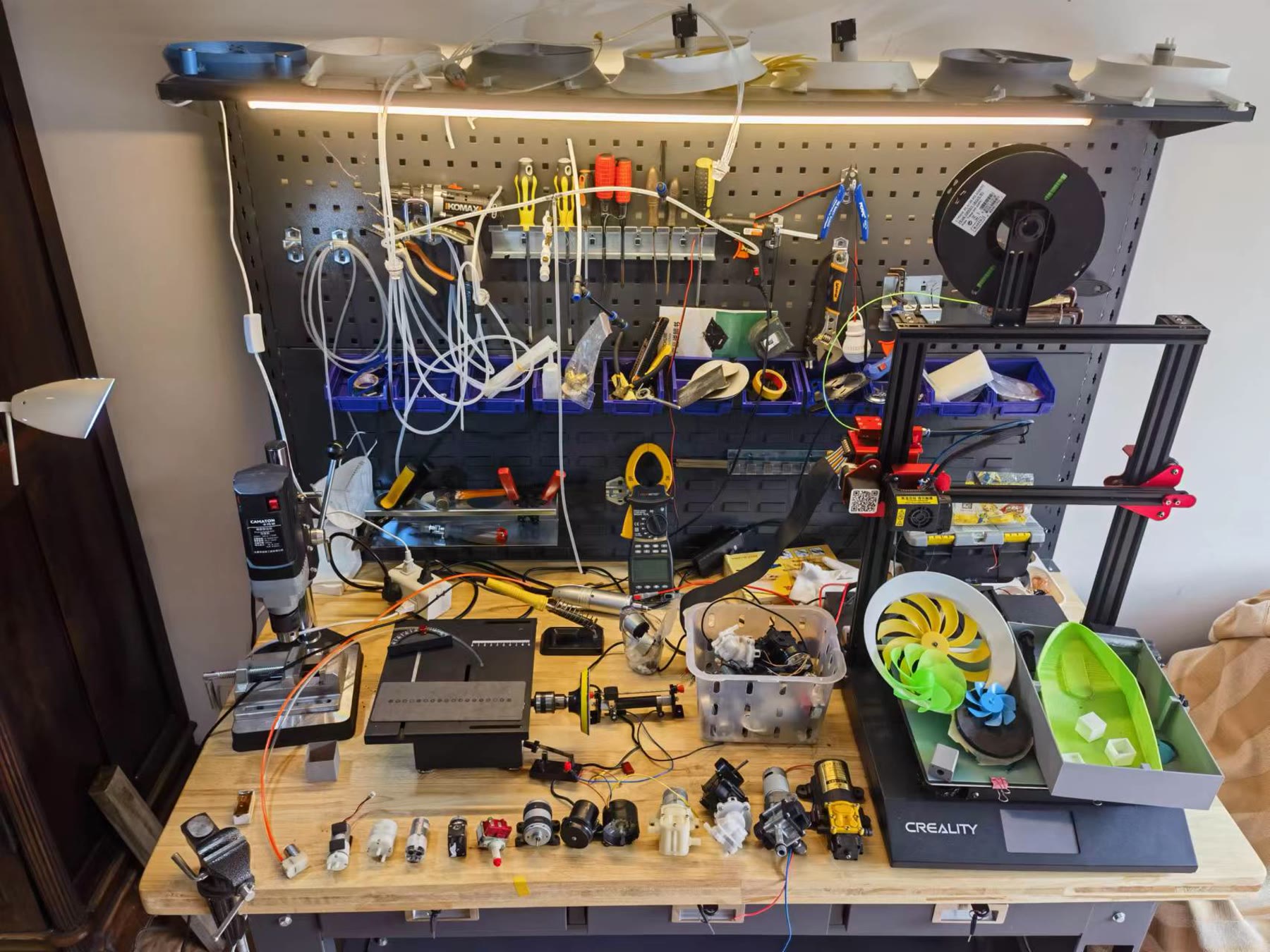
A crowded workbench with a drill press, pumps, a 3D printer and 3D-printed fan housings on the shelf
The benchPumps, nozzles and printed housings: where the device was iterated.
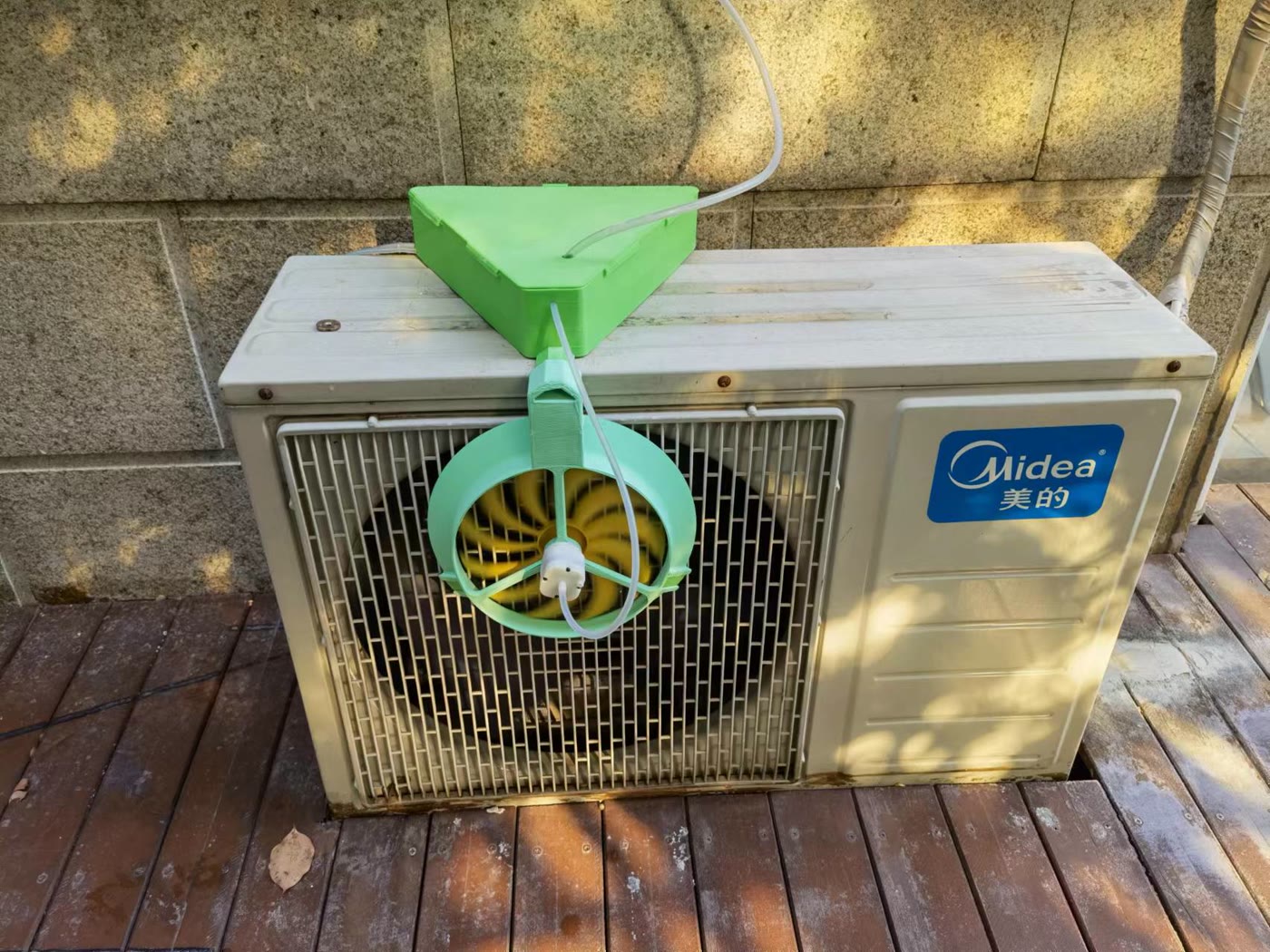
Green 3D-printed prototype mounted on a residential outdoor air conditioner
PrototypeFirst version on a residential outdoor unit.
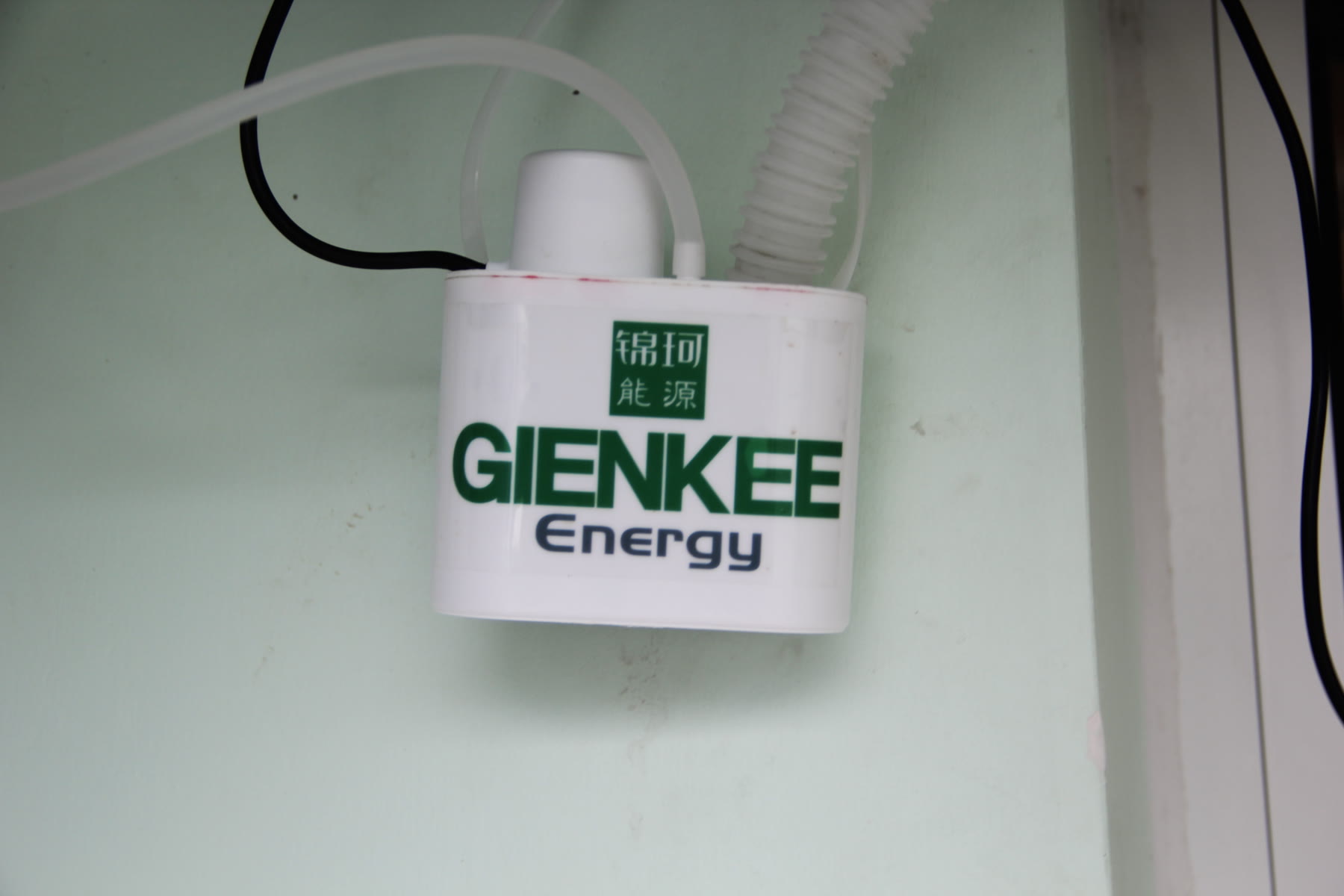
Jinke Energy condensate unit mounted on a wall
ProductionThe Jinke Energy unit as installed.
+10%
efficiency (COP 3.01 to 3.32) in a lab test, one paired run
~1,000
units sold per year
6
Chinese utility-model patents
RMB 2M
outside funding raised

Software that ships

Tools other people use, and tools I wish existed.

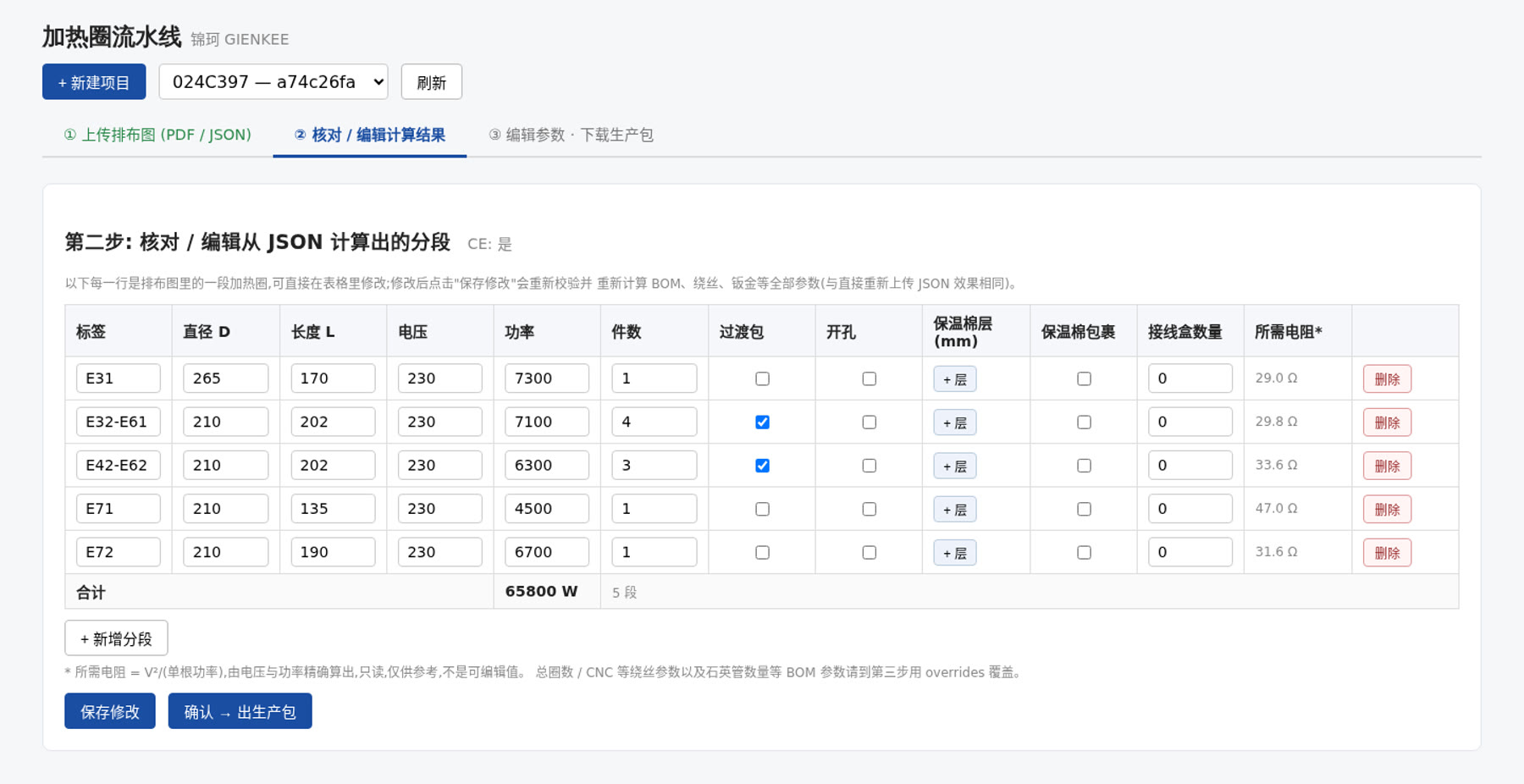
Heating Ring Design Automation wizard showing calculated segments
Live captureStep 2 of the wizard, running on the real app.

Heating Ring Design Automation

A customer's layout JSON goes in. A full production package comes out: bill of materials, CNC winding programs and sheet-metal DXF, from deterministic calculation engines. PDFs with no text layer go through Gemini, and every uncertain field lands in a review list a person can scan. The core workflow runs end to end in production at Gienkee Plastics Machinery, with cycle time 20% faster on average across all variations. About 7,200 lines of Python and 204 tests.
  • Python
  • FastAPI
  • React
  • TypeScript

Read the project

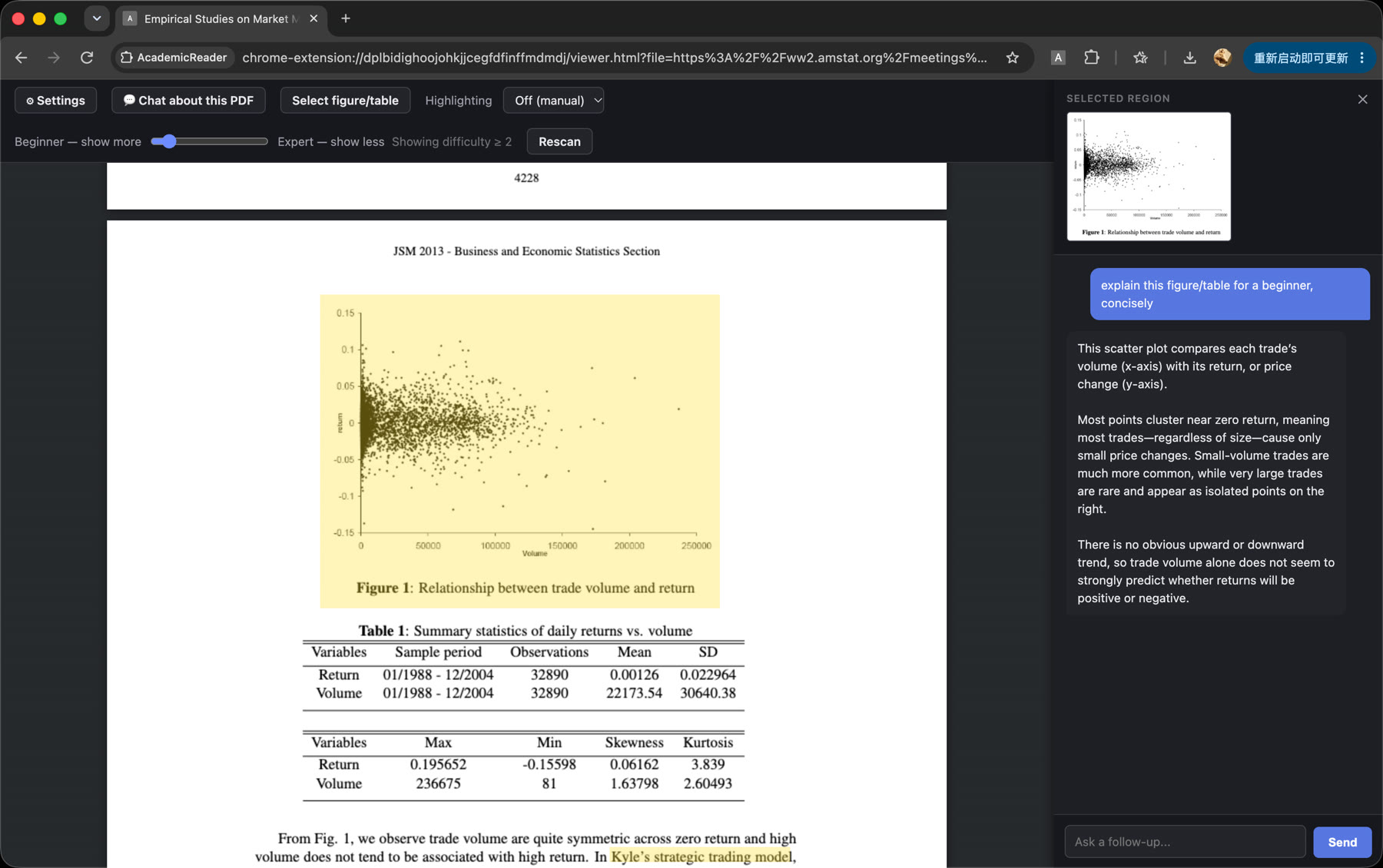
AcademicReader Chrome extension showing a PDF with a chat panel
ExtensionFlagged text opens its own chat.

AcademicReader

A Chrome extension that flags confusing text in academic PDFs and gives every highlight, and the document, a persistent chat. Fully client side, any provider you configure.

  • TypeScript
  • Chrome MV3
  • IndexedDB

Read the project

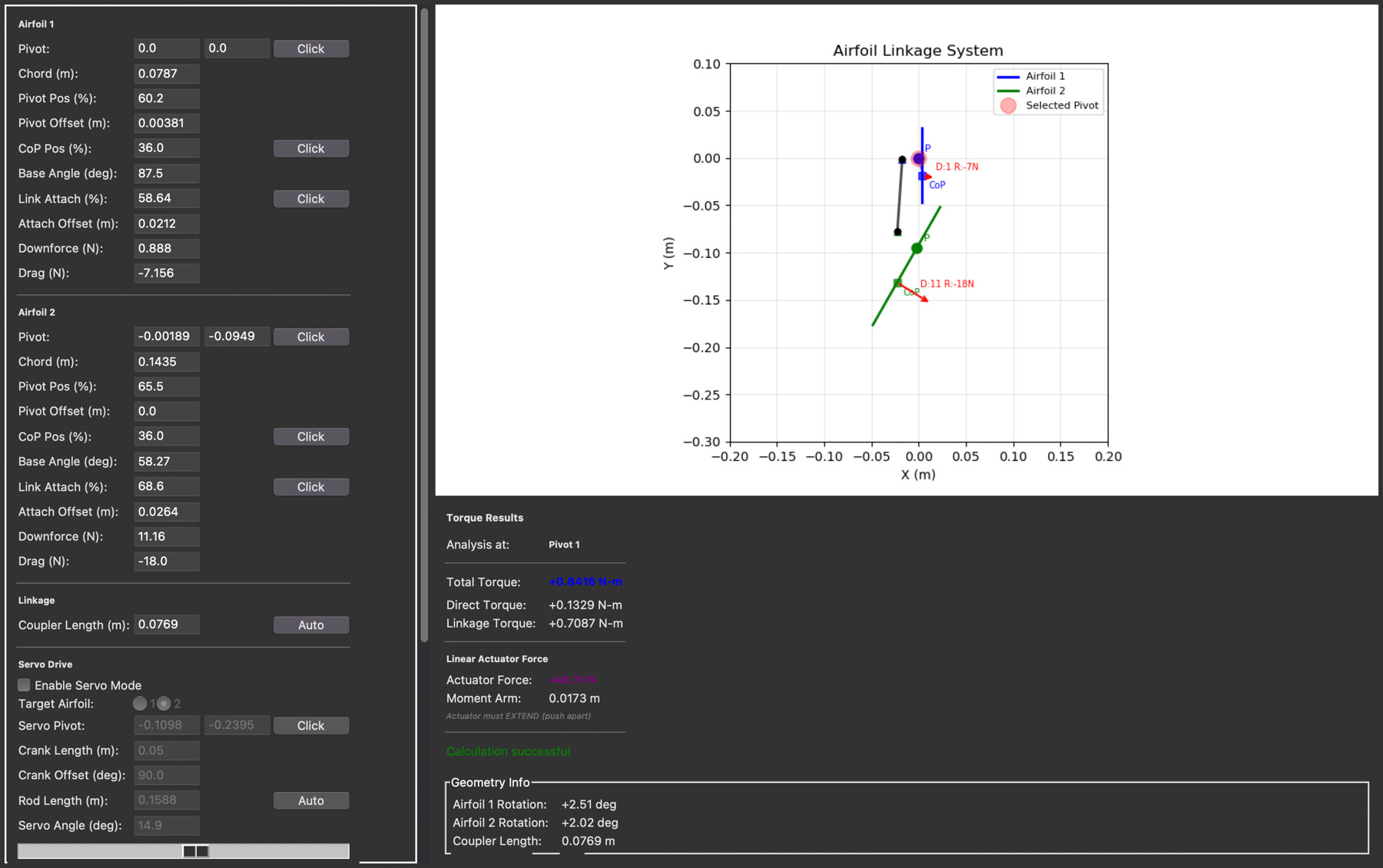
Airfoil linkage solver: inputs for two airfoils on the left, a plot of the two-element wing and its linkage, and torque and actuator-force results
SolverTorque and actuator force for a two-element wing linkage.

Drag reduction system linkage

Team project with Penn Electric Racing. I designed the linkage for the car's drag reduction system and sized its actuator, using force analysis and a torque solver I wrote.

  • Mechanical design
  • Force analysis
  • Torque solver

Read the project

AlsoA self-built CoreXY 3D printer. All projects

How I work

Three habits that show up in everything above.

I start from the physical problem.

Before there was software there was a bench, a pump and a leaking nozzle. The device that came out of it is in production today, with six patents behind it.

I make the mistake impossible.

Not discouraged, impossible. A lookahead leak cannot be expressed in the backtest kernel, and the test that proves it is itself tested.

I label the guess.

When a model is unsure, the uncertainty is written down where a person will see it. Every run states the assumptions that bias its result.

If this fits what your team needs, let's talk.

Eugene ChenSet in Instrument Serif and Geist.